.jpg)



A Holistic Approach to the Sourcing of Biomedical Fluids: Their Impact on Diagnostic Kit Performance
Introduction:
Every accurate diagnostic result begins long before a test reaches the laboratory. Behind every reliable in vitro diagnostic (IVD) kit lies a carefully selected biological foundation—biomedical fluids. Whether developing immunoassays, molecular diagnostics, clinical chemistry tests, or rapid point-of-care devices, the quality of biological specimens used during research, validation, calibration, and manufacturing directly influences diagnostic accuracy and clinical confidence.
Biomedical fluids such as whole blood, plasma, serum, urine, saliva, cerebrospinal fluid (CSF), synovial fluid, and other biological matrices contain complex mixtures of proteins, antibodies, metabolites, enzymes, hormones, nucleic acids, and disease-specific biomarkers. These naturally occurring components provide the biological context required to develop diagnostic assays that accurately reflect real patient samples.
However, biomedical fluids are far more than laboratory consumables. Their composition is influenced by donor health, genetics, age, medications, collection procedures, processing methods, storage conditions, and transportation. Even subtle variations can alter biomarker stability, affecting assay sensitivity, specificity, and reproducibility
For this reason, leading diagnostic manufacturers are increasingly adopting a holistic sourcing strategy—one that combines ethical donor practices, rigorous quality management, regulatory compliance, standardized processing, and resilient supply chain planning. Rather than viewing biomedical fluids as interchangeable raw materials, this approach recognizes them as strategic assets that determine the long-term performance and reliability of diagnostic products.
As precision medicine, personalized healthcare, and AI-driven diagnostics continue to evolve, the importance of sourcing high-quality biomedical fluids has never been greater. Investing in scientifically validated, ethically sourced biological materials enables manufacturers to build diagnostic kits that deliver consistent performance across laboratories, populations, and healthcare systems worldwide.
Understanding Biomedical Fluids in Diagnostic Development
Biomedical fluids form the biological foundation of nearly every diagnostic assay. They provide the natural environment in which biomarkers exist and interact, allowing researchers to evaluate whether an assay accurately detects disease under real clinical conditions.
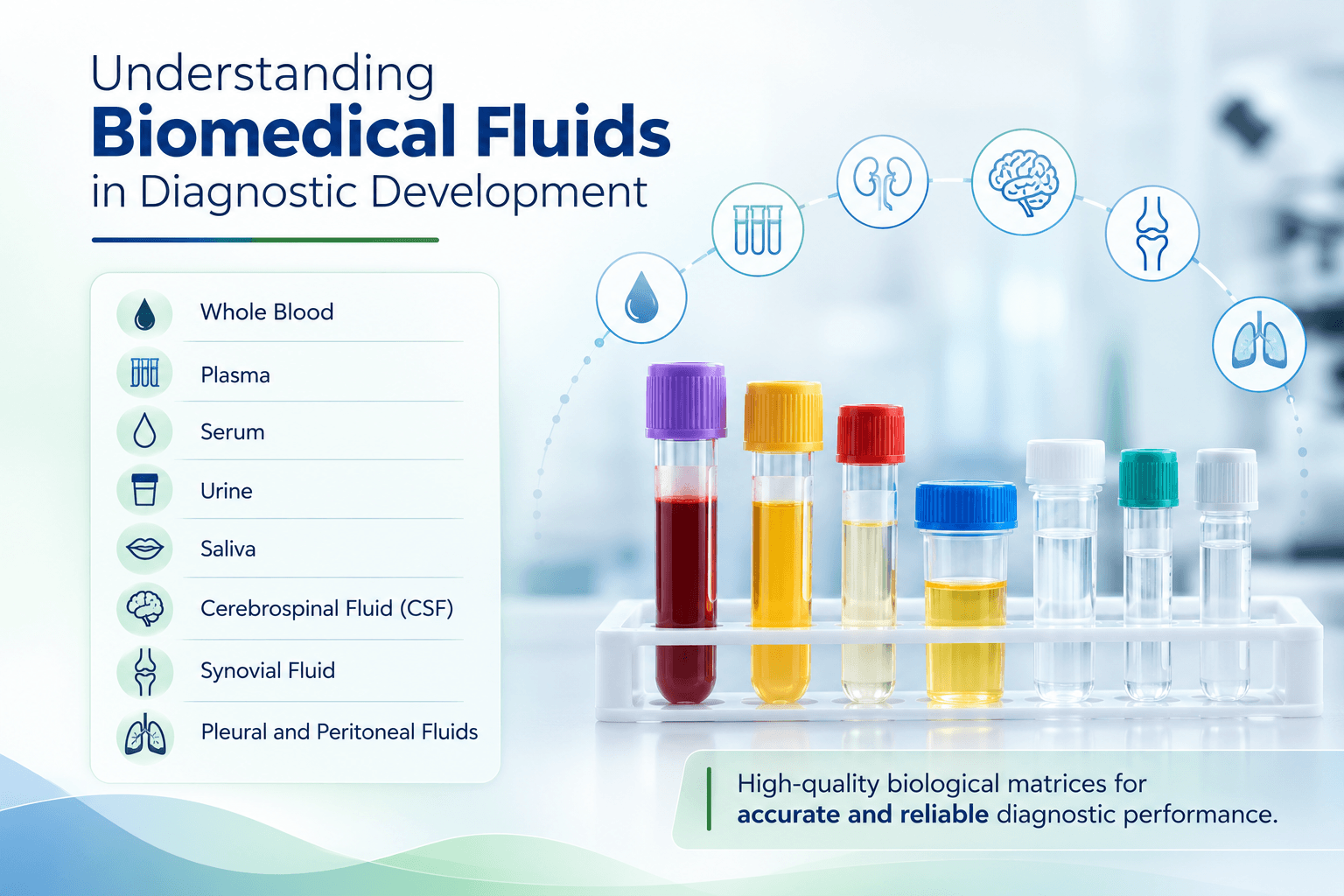
Common biomedical fluids used in diagnostic development include:
- Whole Blood
- Plasma
- Serum
- Urine
- Saliva
- Cerebrospinal Fluid (CSF)
- Synovial Fluid
- Pleural and Peritoneal Fluids
Each fluid possesses unique biochemical characteristics that influence assay design. For example, plasma contains clotting factors that are absent in serum, while urine presents an entirely different protein composition and pH environment. Cerebrospinal fluid contains significantly lower protein concentrations than blood, requiring highly sensitive detection methods.
These biological differences directly impact:
- Antigen-antibody interactions
- Biomarker stability
- Detection limits
- Background interference
- Signal intensity
- Analytical reproducibility
Consequently, diagnostic developers cannot assume that one biological matrix behaves like another. Successful assay development requires biomedical fluids that closely represent the intended clinical application.
A holistic sourcing strategy acknowledges this complexity by carefully selecting, characterizing, and validating each biological matrix before it becomes part of assay development.
Why Biomedical Fluid Sourcing Matters
Diagnostic kits are ultimately designed to analyze patient samples—not purified laboratory standards.
During product development, biomedical fluids are used for:
- Assay development
- Calibration
- Method optimization
- Performance verification
- Analytical validation
- Quality control
- Stability testing

If these source materials fail to accurately represent real-world patient specimens, diagnostic performance can deteriorate once the assay reaches clinical laboratories.
Poorly sourced biological materials may introduce unwanted variability through:
- Protein degradation
- Hemolysis
- Improper anticoagulants
- Freeze-thaw damage
- Microbial contamination
- Matrix interference
- Inconsistent biomarker concentrations
These variables can contribute to:
- False-positive results
- False-negative results
- Reduced analytical sensitivity
- Poor assay reproducibility
- Increased lot-to-lot variability
In contrast, well-characterized biomedical fluids provide a reliable biological foundation that enables developers to optimize assays with greater confidence while minimizing technical risk.
Ethical and Donor-Centric Sourcing
Scientific quality begins with ethical responsibility.
Every biomedical fluid used in diagnostic development originates from human donors or approved biological sources. Consequently, responsible sourcing requires strict adherence to ethical guidelines, regulatory requirements, and donor protection principles.
Ethical procurement includes:
- Informed donor consent
- Protection of personal privacy
- Secure de-identification of donor information
- Compliance with local and international regulations
- Transparent collection practices
Beyond regulatory compliance, ethical sourcing also improves scientific quality.
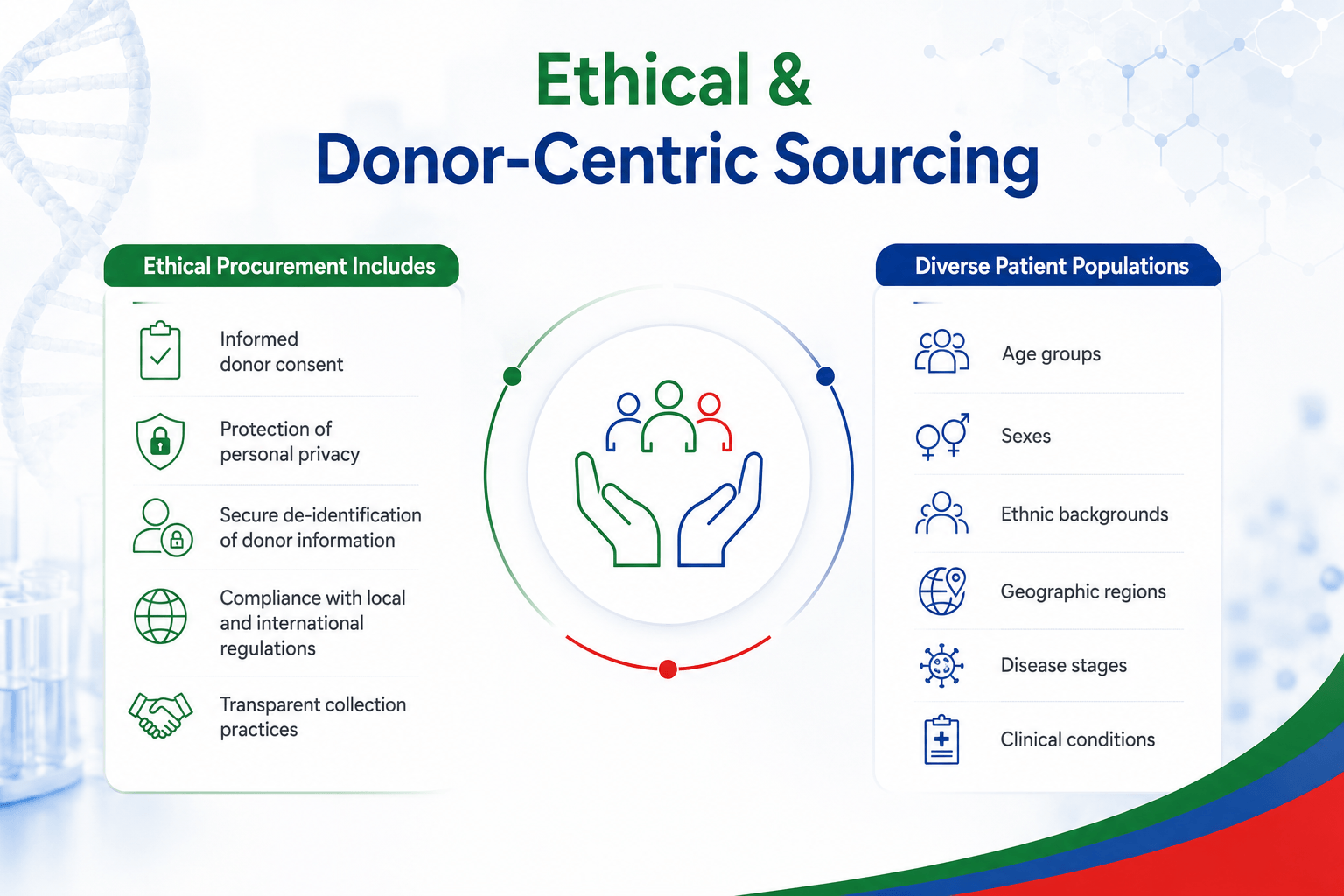
Diagnostic kits are intended for diverse patient populations spanning different:
- Age groups
- Sexes
- Ethnic backgrounds
- Geographic regions
- Disease stages
- Clinical conditions
A sourcing strategy limited to narrow donor populations may unintentionally introduce bias, reducing assay performance in underrepresented groups.
Conversely, biologically diverse donor cohorts enable manufacturers to develop assays capable of delivering consistent performance across broader patient populations.
This diversity becomes increasingly important as precision medicine expands globally and diagnostic products serve increasingly heterogeneous healthcare systems.
Quality and Standardization Begin at Collection
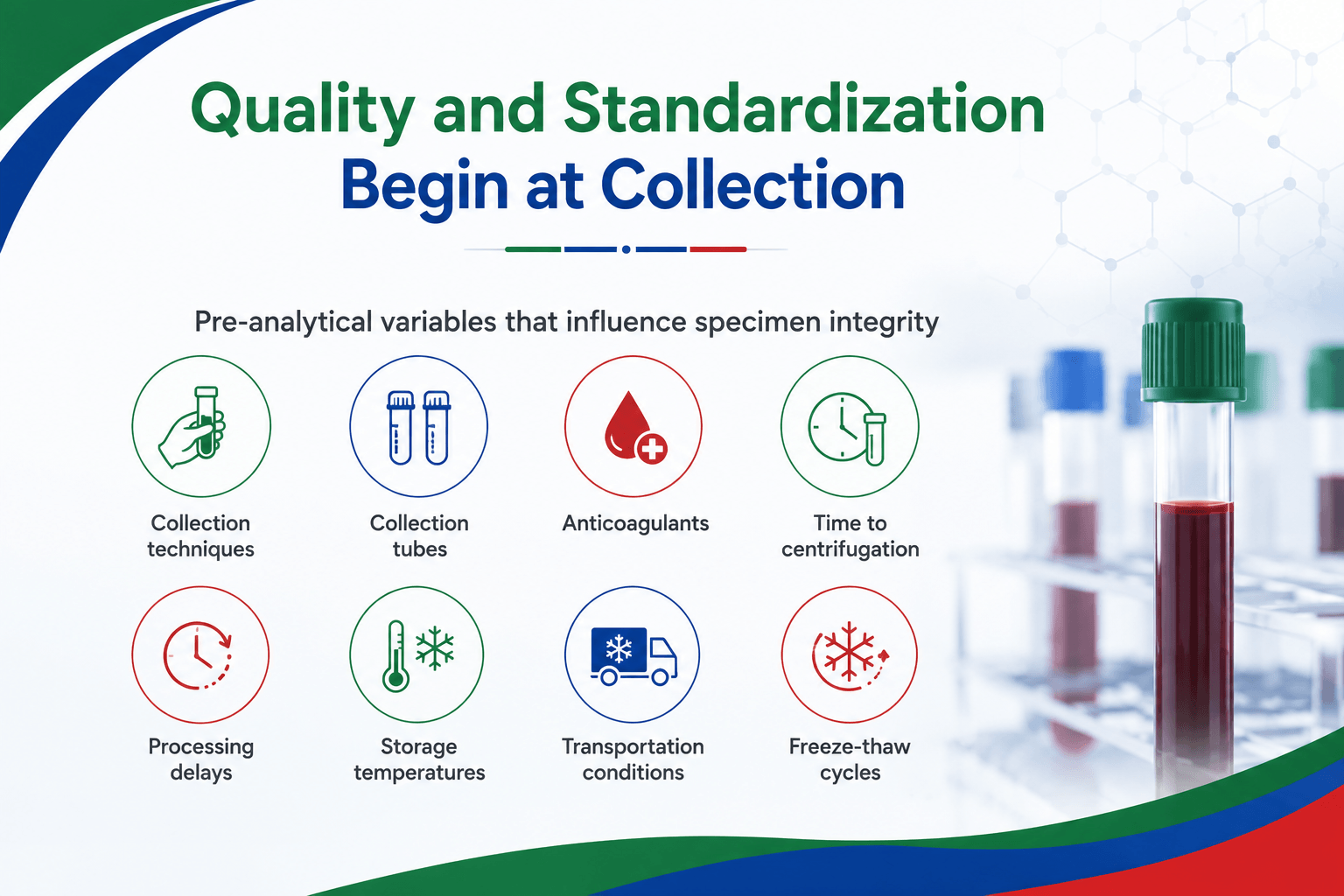
The quality of biomedical fluids is largely determined before they even reach the laboratory.
Numerous pre-analytical variables influence specimen integrity, including:
- Collection techniques
- Collection tubes
- Anticoagulants
- Time to centrifugation
- Processing delays
- Storage temperatures
- Transportation conditions
- Freeze-thaw cycles
Even small inconsistencies during sample collection may alter protein structure, enzyme activity, antibody stability, or nucleic acid integrity.
For example:
A delay in serum separation may activate cellular metabolism, changing biomarker concentrations before testing even begins.
Similarly, repeated freeze-thaw cycles can denature proteins, fragment nucleic acids, and reduce assay sensitivity.
A holistic sourcing approach emphasizes standardized collection protocols that minimize these sources of variability across all collection sites.
Standardization ensures biomedical fluids maintain consistent biological integrity regardless of where they are collected.
The Importance of Traceability
Modern diagnostic development demands complete traceability throughout the sample lifecycle.
Each biomedical fluid should be accompanied by comprehensive documentation describing:
- Collection date
- Processing protocol
- Storage history
- Transport conditions
- Sample type
- Quality assessment
- Donor characteristics (de-identified)
Comprehensive metadata enables researchers to correlate assay performance with sample characteristics during validation studies.
When unexpected analytical results occur, traceability allows manufacturers to rapidly identify potential root causes rather than repeating costly development studies.
For regulatory agencies, traceability also provides confidence that biological materials have been collected, processed, and stored according to established quality systems.
Impact on Diagnostic Sensitivity and Specificity
The analytical performance of every diagnostic assay depends heavily on the integrity of the biomedical fluids used throughout development.
Sensitivity—the ability to correctly identify positive samples—and specificity—the ability to correctly identify negative samples—can both be significantly influenced by specimen quality.
Poor-quality biomedical fluids introduce unwanted biological variability that may obscure true biomarker signals or create artificial assay interference.
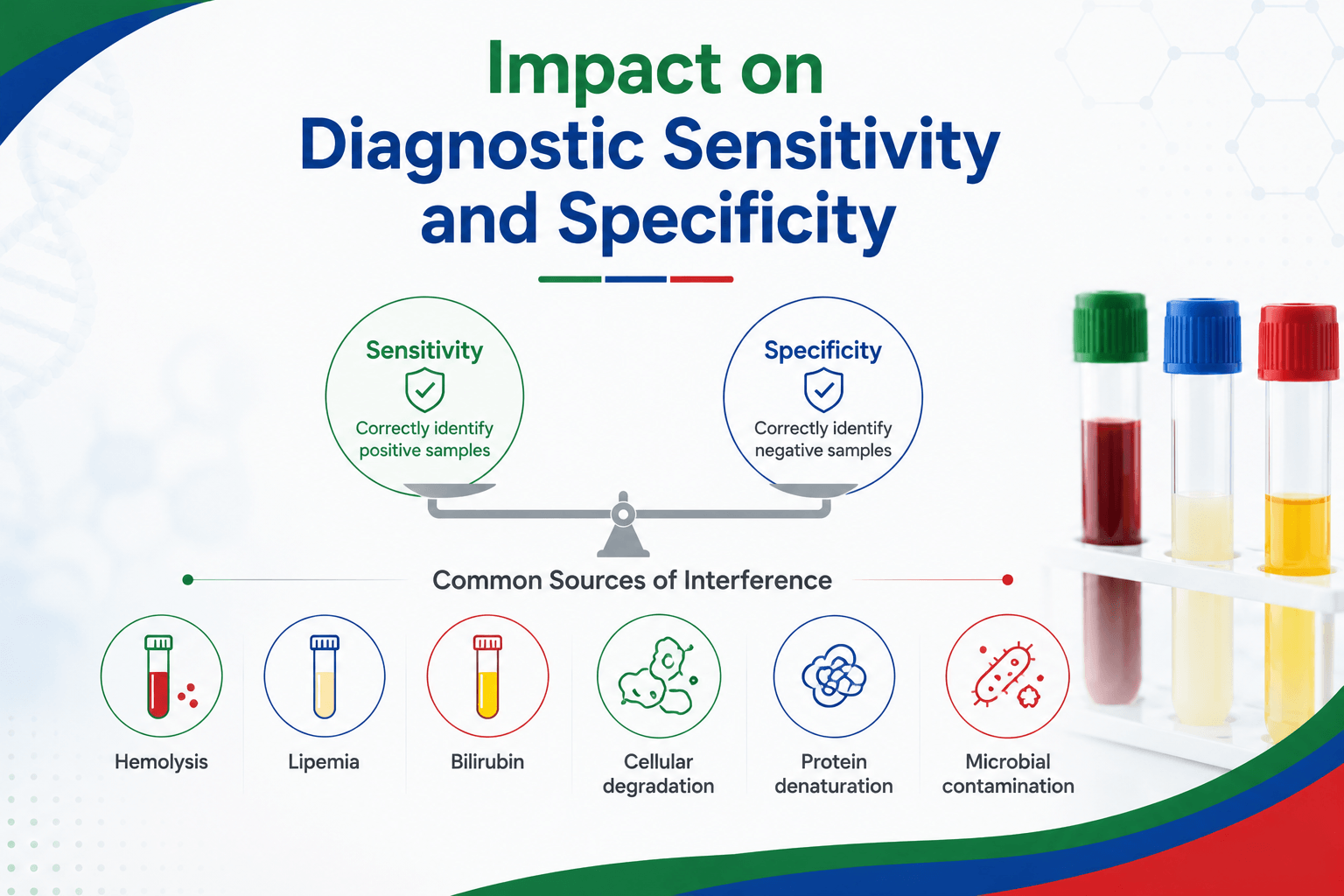
Common sources of interference include:
- Hemolysis
- Lipemia
- Bilirubin
- Cellular degradation
- Protein denaturation
- Microbial contamination
For example, hemolyzed blood samples release intracellular proteins and enzymes that may interfere with immunoassays, resulting in inaccurate signal generation.
Similarly, repeated freeze-thaw cycles can degrade antibodies, cytokines, nucleic acids, and other clinically relevant biomarkers, reducing assay sensitivity and increasing variability.
By implementing standardized handling, storage, transportation, and quality control procedures, manufacturers preserve analyte integrity throughout the sourcing process.
The result is improved analytical accuracy, stronger reproducibility, and greater confidence that assay performance during development will translate into consistent clinical performance after commercialization.
Regulatory Compliance: Building Quality from the Source
The sourcing of biomedical fluids is subject to increasingly stringent regulatory oversight. As diagnostic products move from research to commercialization, manufacturers must demonstrate that every biological material used during development has been collected, processed, and documented according to recognized quality standards.
International frameworks such as ISO 13485, Good Manufacturing Practice (GMP), and regional IVD regulations emphasize the importance of traceability, supplier qualification, documentation, and biosafety throughout the product lifecycle.
A holistic sourcing strategy incorporates regulatory requirements from the earliest stages of product development by ensuring:
- Qualified and audited suppliers
- Standardized collection protocols
- Complete documentation
- Sample traceability
- Controlled storage and transportation
- Compliance with biosafety guidelines
Rather than becoming a regulatory burden later, quality is built into the sourcing process from the beginning. This proactive approach simplifies regulatory submissions, reduces approval delays, and provides greater confidence during customer audits and inspections.
Building a Resilient and Scalable Supply Chain
The COVID-19 pandemic demonstrated how rapidly global demand for diagnostic testing can increase. Manufacturers relying on limited biological sources or fragmented supply networks often faced shortages that disrupted production and delayed product availability.
A holistic sourcing strategy addresses these risks by creating a resilient and scalable supply chain capable of supporting long-term manufacturing needs.
Key elements include:
- Multiple qualified sourcing partners
- Long-term donor programs
- Well-characterized biobanks
- Strategic inventory planning
- Cold-chain logistics
- Risk mitigation plans
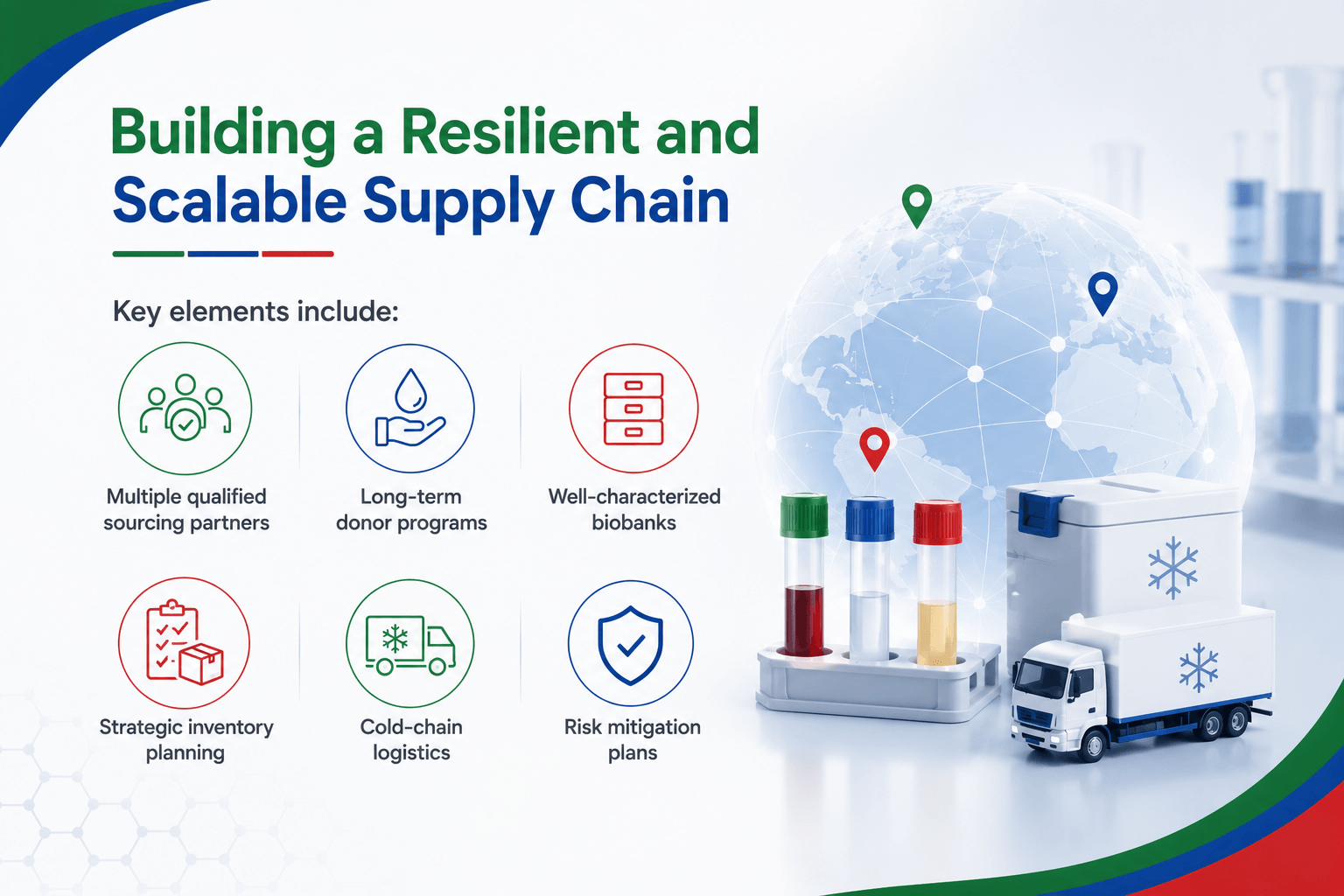
Diversified sourcing reduces dependence on a single supplier while ensuring consistent access to high-quality biomedical fluids.
In addition, emerging technologies—including recombinant proteins, synthetic matrices, and engineered reference materials—can complement naturally sourced biomedical fluids for selected applications. While these alternatives cannot replace every biological specimen, they help improve supply continuity and manufacturing flexibility without compromising assay performance.
Analytical Validation Using Clinically Relevant Samples
One of the most important objectives of diagnostic development is ensuring that laboratory performance accurately reflects real-world clinical use.
This requires biomedical fluids that closely resemble actual patient samples.
Using overly purified or artificial matrices during assay development may produce impressive laboratory results but often fails to predict how the assay will perform under routine clinical conditions.
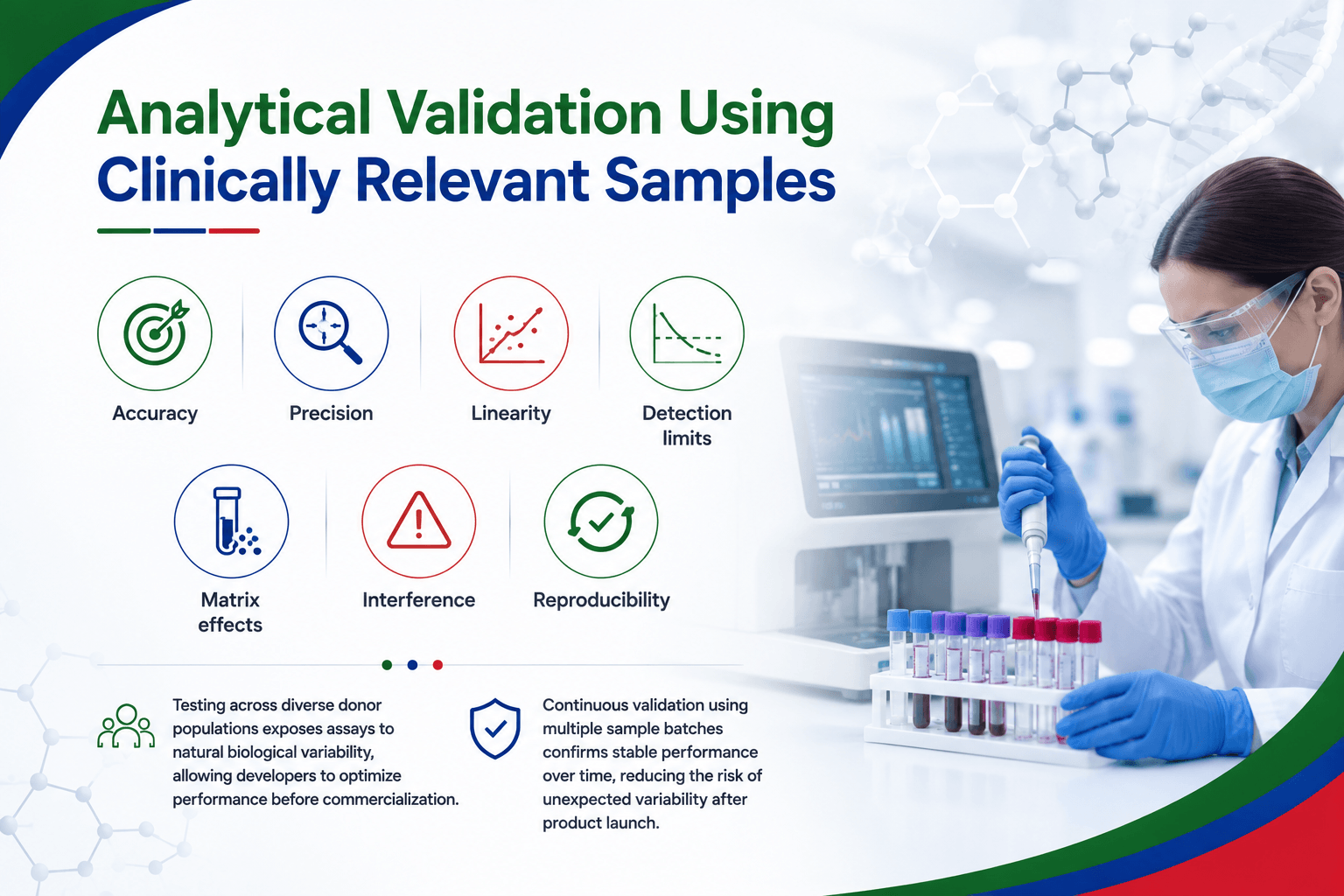
A holistic sourcing strategy prioritizes the use of clinically relevant biological samples during analytical validation to evaluate:
- Accuracy
- Precision
- Linearity
- Detection limits
- Matrix effects
- Interference
- Reproducibility
Testing across diverse donor populations also exposes assays to natural biological variability, allowing developers to optimize performance before commercialization.
Continuous validation using multiple sample batches further confirms that assay performance remains stable over time, reducing the likelihood of unexpected variability after product launch.
Digital Traceability and Data Integrity
Modern diagnostic development extends beyond physical sample management. Biomedical fluids are increasingly viewed as valuable sources of data that support quality improvement throughout the product lifecycle.
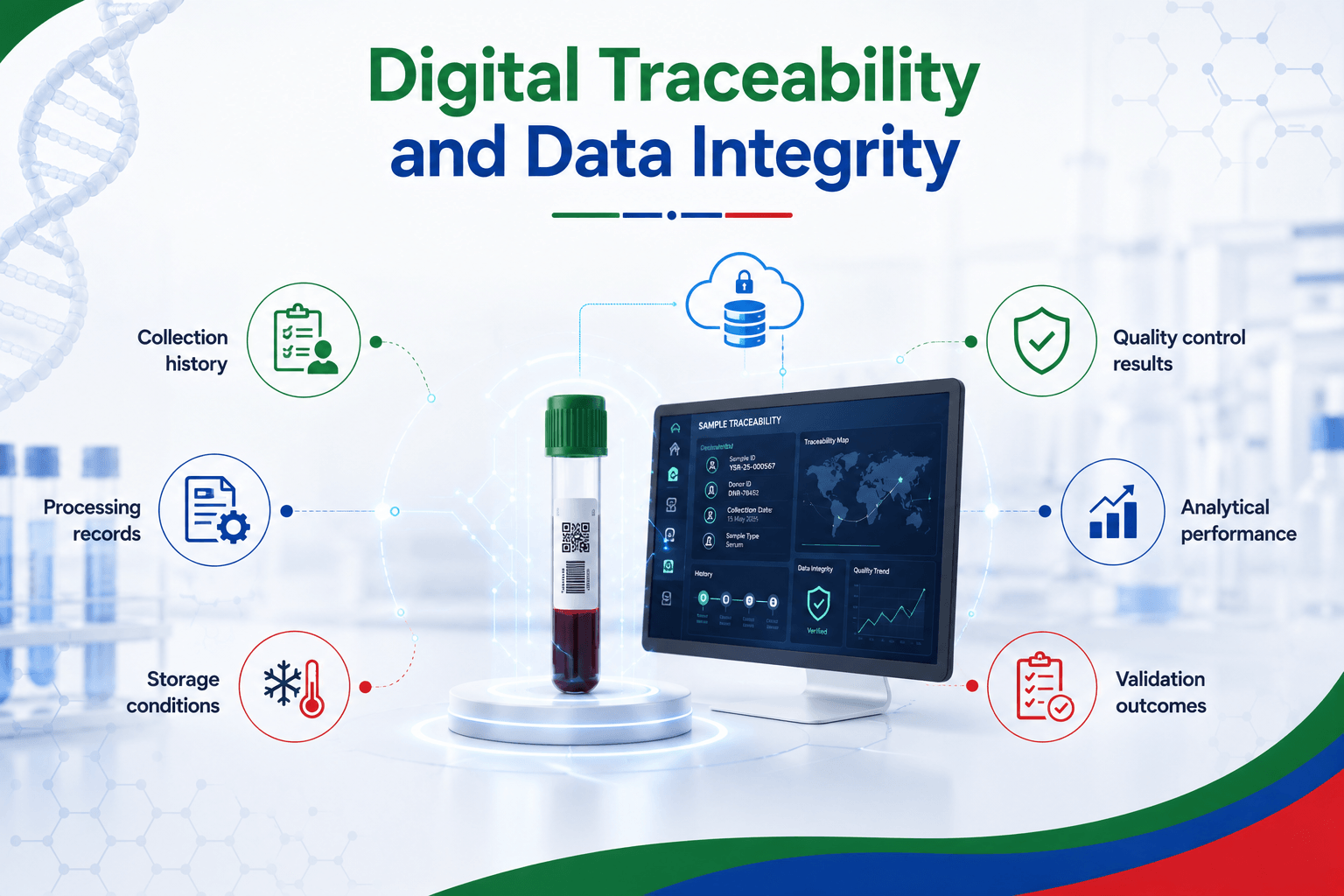
Digital traceability systems connect each sample with critical information such as:
- Collection history
- Processing records
- Storage conditions
- Quality control results
- Analytical performance
- Validation outcomes
By integrating these datasets, manufacturers can identify patterns that influence assay performance and make evidence-based improvements during development.
If unexpected analytical results occur, digital traceability allows rapid root-cause analysis by linking performance issues to specific collection sites, donor characteristics, storage conditions, or processing methods.
This data-driven approach strengthens quality management, improves reproducibility, and supports post-market surveillance throughout the lifetime of the diagnostic product.
Collaboration Across the Diagnostic Ecosystem
Successful biomedical fluid sourcing requires collaboration between multiple stakeholders working toward a common objective—developing accurate and reliable diagnostic tests.
Key participants include:
- Donors
- Collection centers
- Biobanks
- Biomedical fluid suppliers
- Diagnostic manufacturers
- Clinical laboratories
- Regulatory agencies
- Healthcare professionals
Early communication between sourcing partners and assay developers helps define sample specifications that align with analytical requirements.
When expectations regarding sample quality, processing, documentation, and traceability are established from the outset, manufacturers can reduce development delays, minimize rework, and improve overall product quality.
Collaborative partnerships also strengthen innovation by enabling access to specialized biological materials, rare disease samples, and diverse clinical populations that may otherwise be difficult to obtain.
The Long-Term Impact on Patient Outcomes
Ultimately, the purpose of every diagnostic assay is to improve patient care.
The quality of biomedical fluids used during development has a direct influence on the reliability of diagnostic results delivered in hospitals, clinical laboratories, and point-of-care settings worldwide.
High-quality biomedical fluid sourcing contributes to:
- Earlier disease detection
- Accurate diagnosis
- Appropriate treatment selection
- Improved patient monitoring
- Better clinical decision-making
- Reduced diagnostic errors
Conversely, poorly characterized or inconsistently sourced biological materials increase the risk of inaccurate results, delayed diagnoses, unnecessary treatments, and reduced confidence among healthcare providers.
As healthcare increasingly embraces precision medicine and personalized diagnostics, the need for representative, ethically sourced, and scientifically validated biomedical fluids will continue to grow.
Investing in robust sourcing strategies ultimately benefits not only diagnostic manufacturers but also clinicians, laboratories, and the patients who depend on accurate test results.
Why a Holistic Sourcing Strategy Matters
Biomedical fluid sourcing should not be viewed as a procurement activity alone. It is a strategic component of diagnostic innovation that influences every stage of assay development—from biomarker discovery and analytical validation to regulatory approval and commercial manufacturing.

Organizations that adopt a holistic approach gain several advantages:
- Greater assay reproducibility
- Improved analytical accuracy
- Faster regulatory approval
- Reduced manufacturing risk
- Better supply continuity
- Stronger customer confidence
- Enhanced long-term product reliability
By integrating ethical sourcing, standardized collection, comprehensive quality management, regulatory compliance, and digital traceability, manufacturers create diagnostic products capable of delivering consistent clinical performance across diverse healthcare environments.
Conclusion
Biomedical fluids are among the most valuable biological resources in diagnostic development. Their quality directly influences the accuracy, sensitivity, specificity, and reproducibility of in vitro diagnostic assays.
A holistic approach to biomedical fluid sourcing extends beyond procurement by integrating ethical donor practices, standardized collection protocols, rigorous quality management, regulatory compliance, resilient supply chains, digital traceability, and collaborative partnerships.
Treating biomedical fluids as strategic assets rather than routine laboratory materials enables manufacturers to develop more robust diagnostic kits while minimizing technical and regulatory risk.
At Yashraj Biotechnology Ltd., this philosophy aligns closely with the company's commitment to delivering high-quality biological raw materials for the global IVD industry. Through stringent quality systems, ethical sourcing practices, comprehensive characterization, and long-term supply reliability, Yashraj supports diagnostic manufacturers in developing assays that meet the highest standards of accuracy, consistency, and clinical performance.
As precision medicine, decentralized diagnostics, and AI-enabled healthcare continue to reshape the future of laboratory medicine, the importance of responsibly sourced biomedical fluids will only increase. Investing in a holistic sourcing strategy today lays the foundation for the next generation of reliable, scalable, and globally trusted diagnostic solutions.

Subscribe to YBL Monthly Digital Newsletter
Stay connected with Yashraj Biotechnology Ltd. (YBL) for the latest updates, innovations, news and upcoming events.