.jpg)



One Reagent, Global Reach: Mastering Multiplatform Compatibility in IVD Assay Development
Introduction: Why Multiplatform Compatibility Matters in Modern Diagnostics
The global in vitro diagnostics (IVD) industry is evolving rapidly. Clinical laboratories today operate an increasingly diverse mix of automated analyzers, ranging from high-throughput laboratory systems to compact point-of-care platforms. While each instrument differs in optics, fluidics, software algorithms, and assay workflows, healthcare providers expect one thing to remain constant—accurate and reliable patient results.
Achieving this consistency depends largely on the quality of the biological reagents used in diagnostic assays. Among these, antigens and antibodies play the most critical role. Their ability to recognize target analytes consistently across different analytical platforms determines whether an assay can be successfully deployed in laboratories worldwide.
This capability is known as multiplatform compatibility.
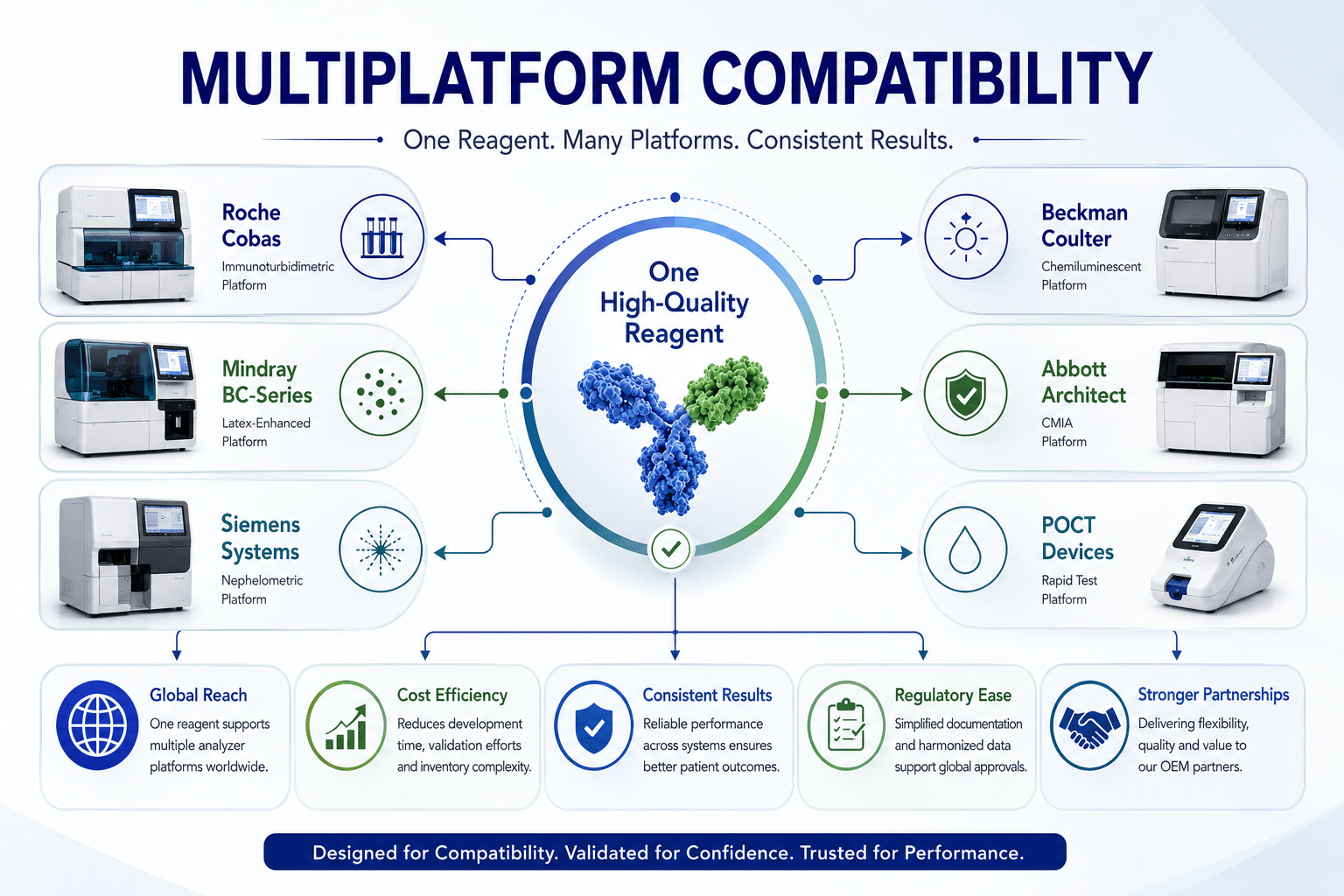
Multiplatform-compatible reagents maintain consistent analytical performance across different analyzer brands, assay formats, and laboratory workflows without requiring reformulation of the core biological material. Whether an assay is developed for Roche Cobas, Siemens Atellica, Mindray, Beckman Coulter, Abbott, or another diagnostic platform, the same reagent should produce comparable clinical performance.
For OEM manufacturers, this compatibility extends far beyond technical convenience. A single validated antigen or antibody capable of supporting multiple diagnostic systems simplifies product development, reduces regulatory complexity, lowers inventory costs, and accelerates commercialization in global markets.
For clinical laboratories, multiplatform compatibility ensures greater confidence in patient results by improving consistency between instruments and reducing variability across laboratory networks.
As diagnostic testing continues to expand into decentralized laboratories, integrated healthcare systems, and global distribution channels, the ability to use one high-quality reagent across multiple platforms has become a strategic competitive advantage rather than simply a manufacturing objective.
Understanding Multiplatform Compatibility
Multiplatform compatibility refers to the ability of an antigen or antibody to function reliably across different immunoassay technologies without compromising sensitivity, specificity, precision, or reproducibility.
Although analyzer manufacturers employ different hardware designs and detection technologies, every immunoassay relies on the same biological event—the interaction between an antigen and its corresponding antibody.
The challenge lies in ensuring that this biological interaction remains unaffected despite differences in:
- Detection chemistry
- Optical systems
- Incubation conditions
- Wash protocols
- Signal amplification methods
- Sample preparation
- Reaction times
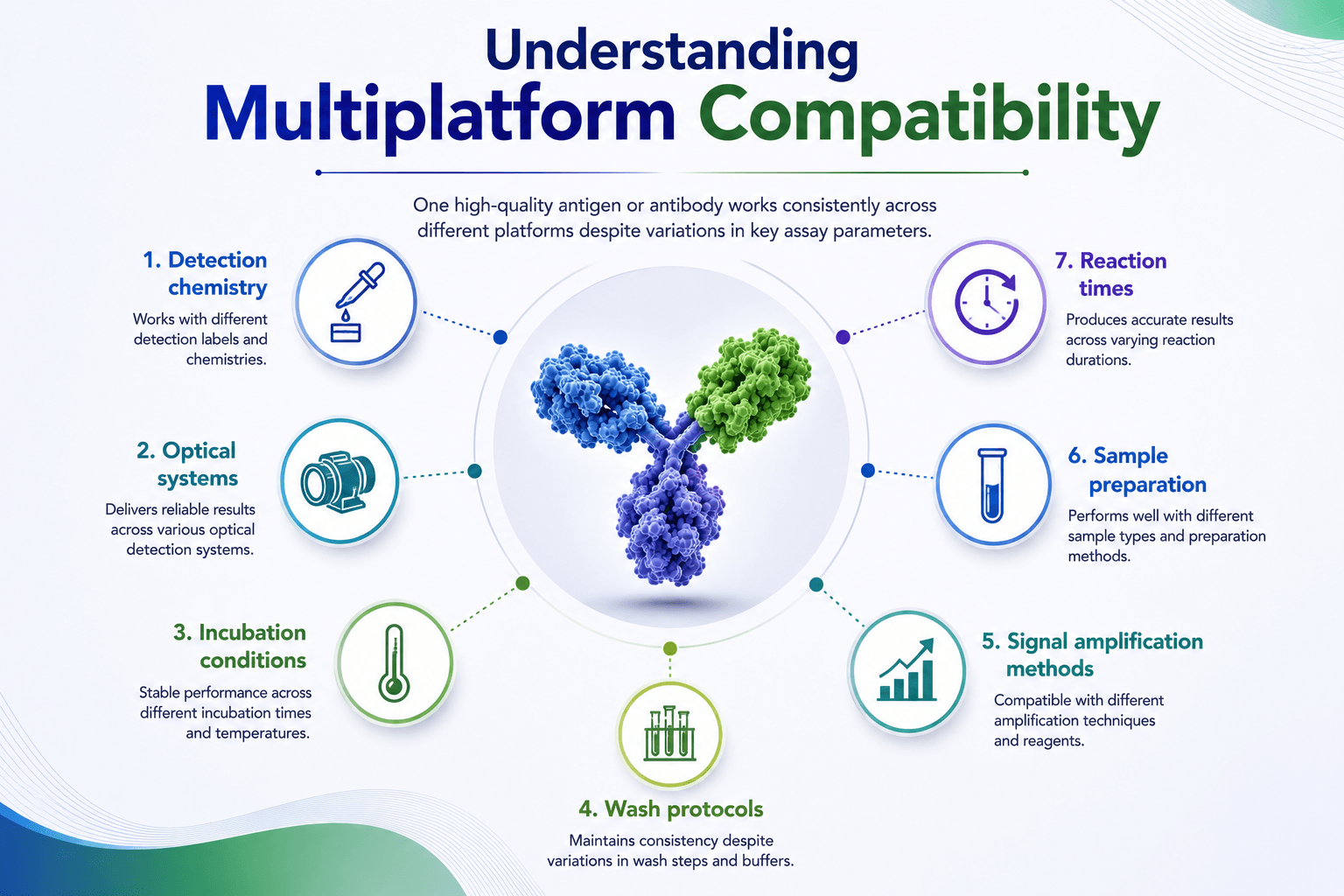
A truly platform-independent reagent performs consistently regardless of these operational differences.
This enables diagnostic manufacturers to develop assays that can be adapted to multiple analyzer families while maintaining equivalent clinical performance.
Instead of developing separate biological reagents for each analyzer, manufacturers can optimize only the assay protocol while preserving the same validated antigen or antibody throughout the product portfolio.
Why Multiplatform Compatibility Is Becoming Essential
Today's IVD market is significantly more complex than it was a decade ago.
Hospital laboratories rarely rely on a single analyzer brand. Large diagnostic networks often operate multiple systems simultaneously to support routine chemistry, immunology, emergency testing, and specialty diagnostics.
For example, one laboratory network may use:
- Roche Cobas for routine immunochemistry
- Siemens Atellica for specialty assays
- Mindray systems for high-volume routine testing
- Point-of-care analyzers in emergency departments
If assay developers need different antigen preparations for every platform, manufacturing becomes increasingly complicated.
Multiple reagent versions require:
- Independent validation studies
- Additional quality control programs
- Separate regulatory documentation
- Multiple inventory streams
- Platform-specific production schedules
This significantly increases development costs and extends product launch timelines.
Multiplatform-compatible reagents eliminate much of this complexity by enabling a single biological material to support multiple diagnostic systems.
The result is faster assay deployment, simplified manufacturing, and improved scalability.
Core Principles Behind Multiplatform-Compatible Reagents
Successful multiplatform compatibility begins long before assay validation.
It starts during reagent design, purification, characterization, and manufacturing.
Several scientific characteristics determine whether an antigen or antibody can perform consistently across different analytical platforms.
1. Epitope Stability and Antibody Recognition
Every immunoassay depends on the recognition of specific molecular regions called epitopes.
An epitope is the portion of an antigen that binds to an antibody.
For multiplatform compatibility, these epitopes must remain structurally stable regardless of how the antigen is incorporated into different assay formats.
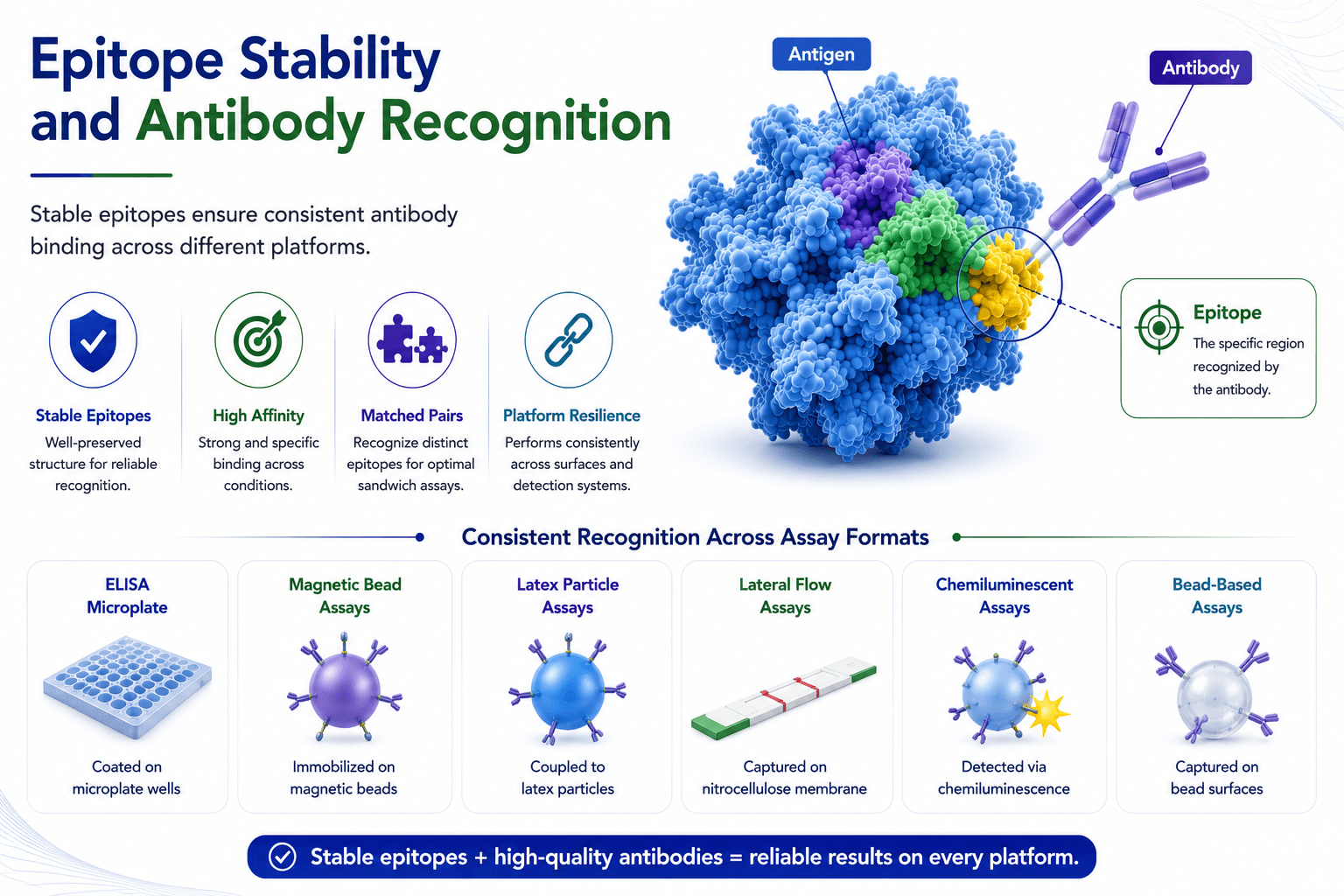
Whether an antigen is attached to:
- Latex particles
- Magnetic beads
- ELISA microplates
- Nitrocellulose membranes
- Chemiluminescent microparticles
…the antibody should recognize the same binding site with equal efficiency.
If protein conformation changes during immobilization or manufacturing, antibody binding may decrease, resulting in lower sensitivity or inconsistent analytical performance.
Native human proteins often provide an advantage because they preserve their natural three-dimensional structure, conformational epitopes, and post-translational modifications.
This biological authenticity helps maintain consistent antibody recognition across different assay technologies.
Similarly, antibody quality is equally important.
High-affinity antibodies must maintain their binding strength regardless of:
- Surface orientation
- Coating density
- Detection chemistry
- Analyzer architecture
Matched antibody pairs used in sandwich immunoassays must also recognize distinct epitopes without interfering with each other's binding, ensuring reliable detection across multiple platforms.
2. Matrix Robustness: Performing Consistently in Real Clinical Samples
Diagnostic assays rarely encounter ideal laboratory samples.
Instead, they analyze complex biological specimens such as:
- Serum
- Plasma
- Whole blood
- Urine
- Cerebrospinal fluid
- Respiratory samples
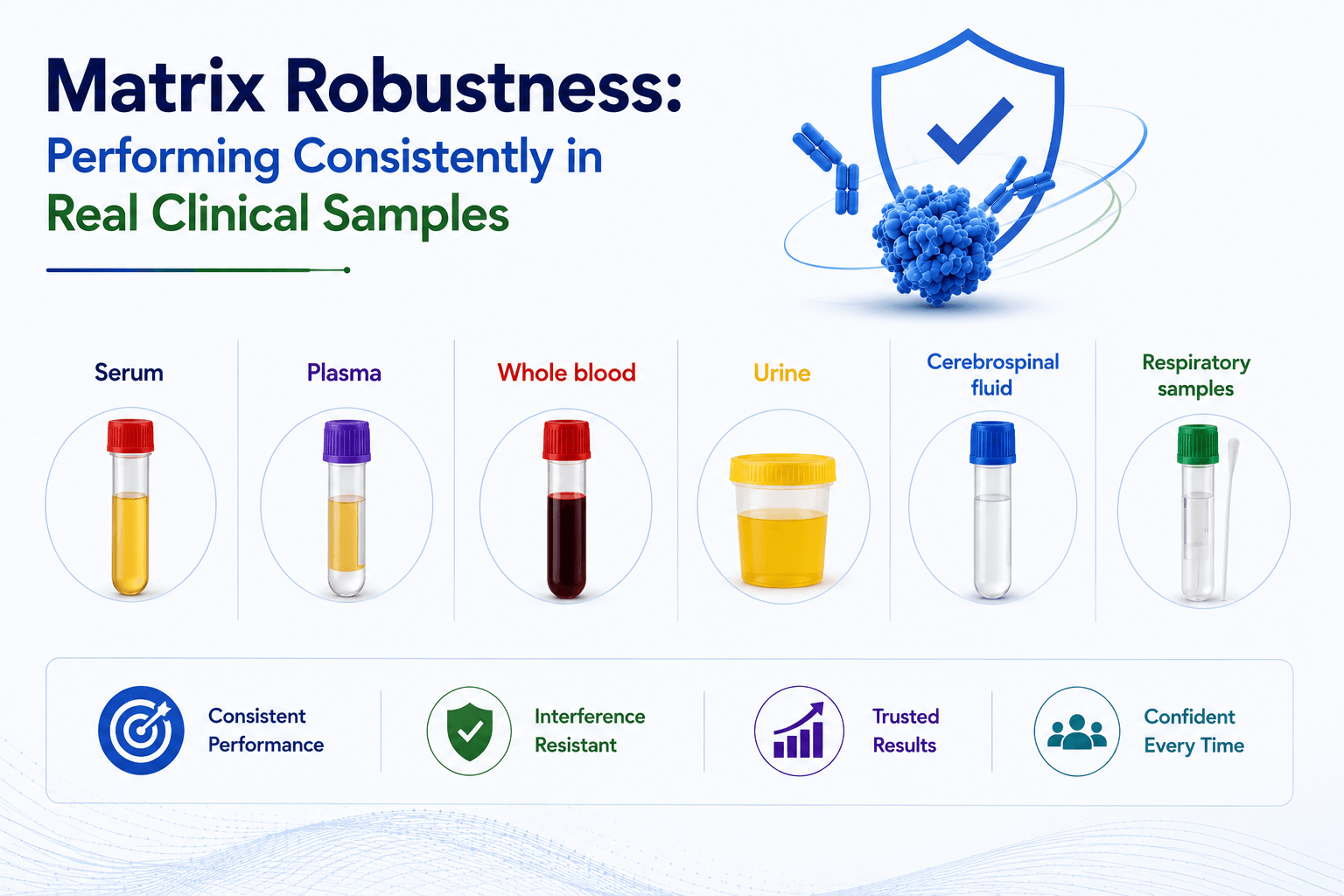
Each matrix contains numerous biological components capable of influencing assay performance.
Common interferents include:
- Heterophilic antibodies
- Rheumatoid factor
- Complement proteins
- Hemoglobin
- Lipids
- Bilirubin
Different analyzer platforms process these samples differently.
Variations in sample dilution, incubation time, reagent ratios, and detection sensitivity can amplify matrix-related interference.
For this reason, multiplatform-compatible reagents undergo extensive validation using challenging clinical specimens representing real-world patient variability.
Developers intentionally test reagents against samples containing common interferents to confirm that analytical performance remains within acceptable limits regardless of the instrument being used.
Strong matrix robustness ensures that laboratories obtain reliable patient results even when different analyzers employ different assay workflows.
3. Physicochemical Consistency: The Foundation of Reliable Performance
One of the most overlooked contributors to multiplatform compatibility is physicochemical consistency.
Regardless of the analyzer platform, every production lot of an antigen or antibody must possess identical biochemical characteristics.
Critical quality attributes include:
- High purity
- Low endotoxin levels
- Stable protein structure
- Consistent biological activity
- Excellent batch-to-batch reproducibility
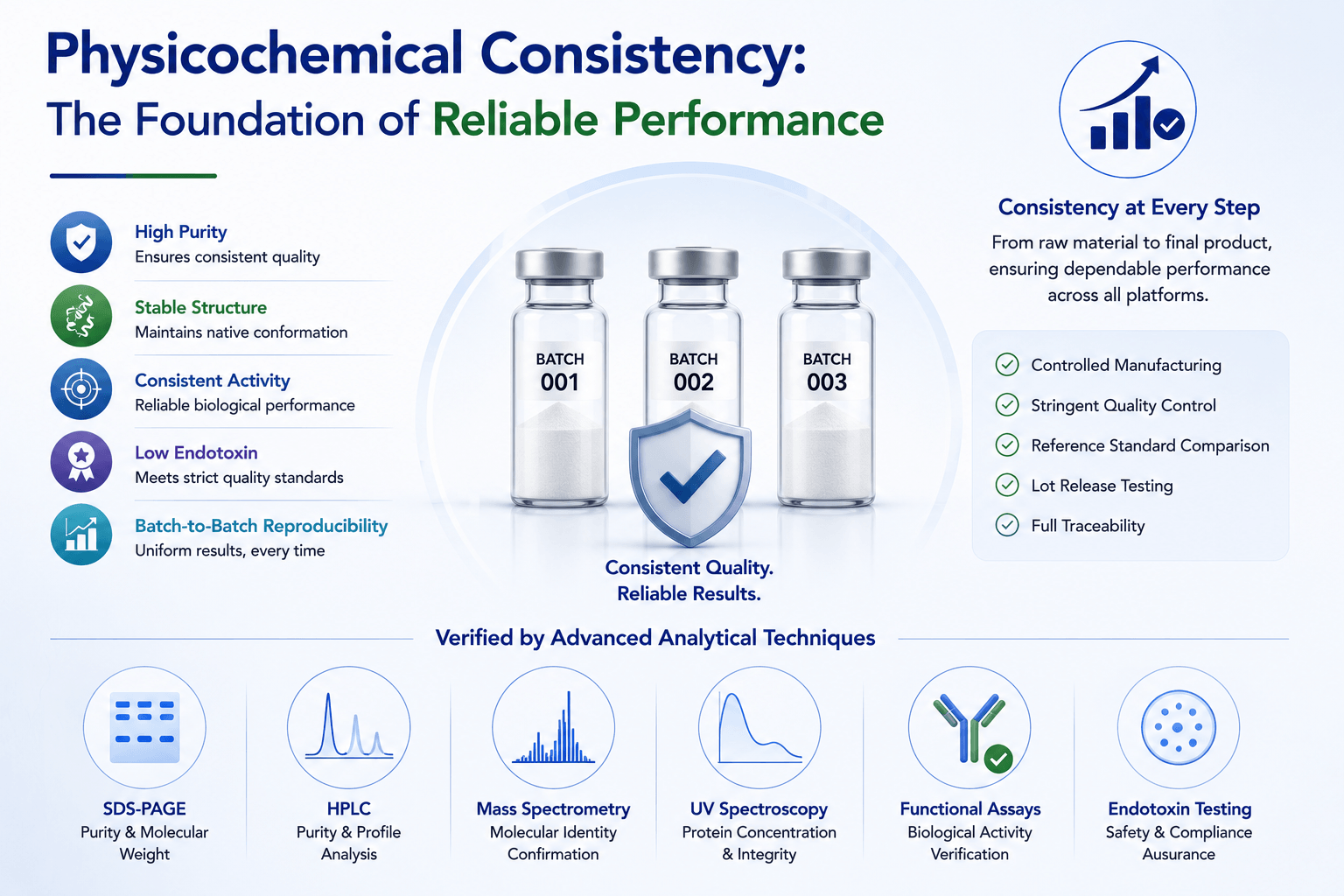
Manufacturers verify these characteristics using advanced analytical techniques such as:
- SDS-PAGE
- High-performance liquid chromatography (HPLC)
- Mass spectrometry
- UV spectroscopy
- Functional immunoassays
Each production lot is compared against an internal reference standard to confirm structural identity and biological performance.
For native proteins, maintaining authentic protein folding and naturally occurring post-translational modifications is particularly important, as these structural features directly influence antibody recognition
Without stringent physicochemical control, even small production variations can translate into measurable differences in assay performance across platforms.
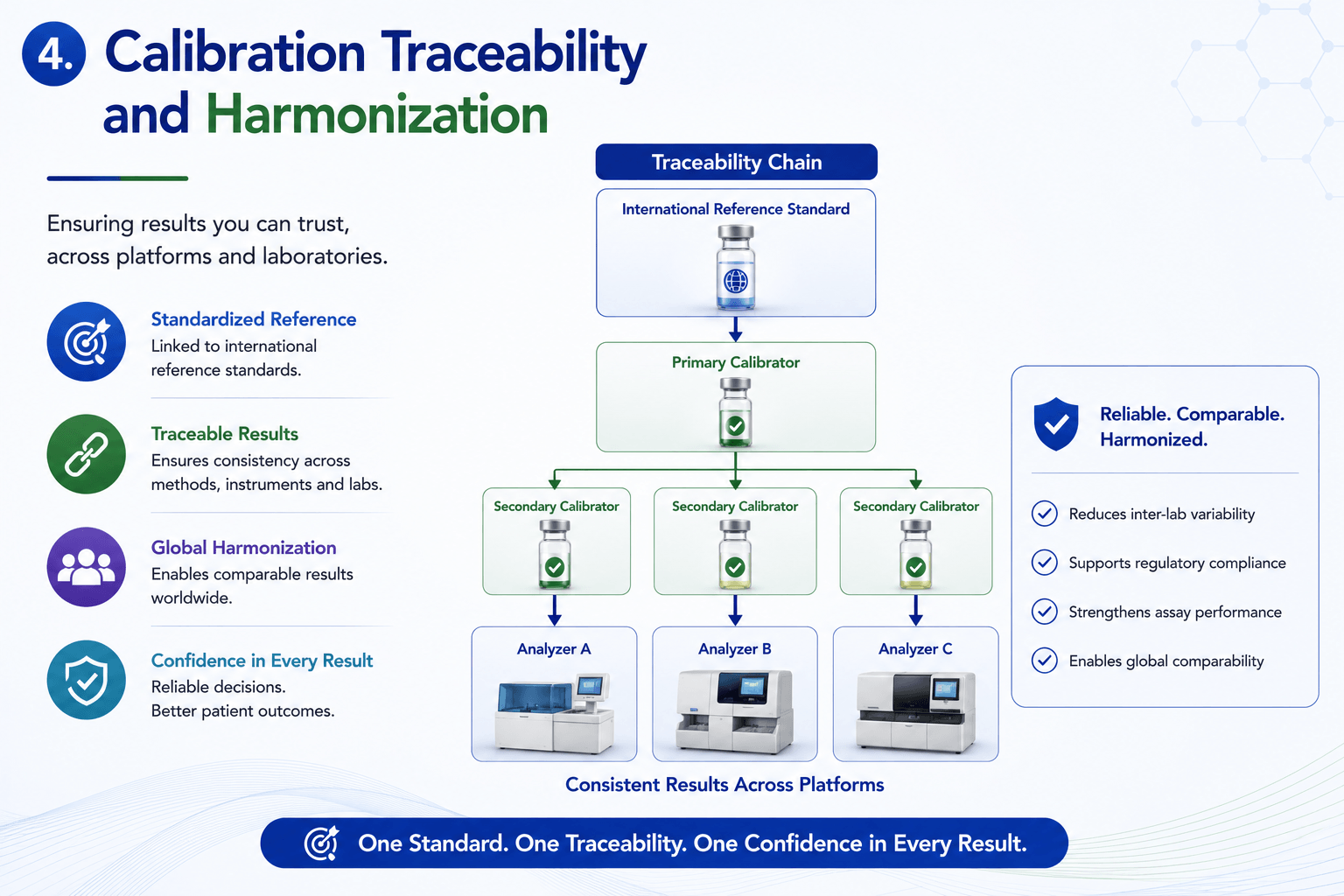
4. Calibration Traceability and Harmonization
Beyond analytical performance, multiplatform-compatible reagents also contribute to better calibration harmonization.
Native antigens closely resemble the molecules found in patient samples, allowing calibrators and reference materials to more accurately reflect clinical specimens.
This improves agreement between assays performed on different analyzer platforms and supports more consistent clinical decision-making.
High-quality calibrators built from well-characterized native biological materials help laboratories establish comparable reference intervals and reduce variability between instruments.
Similarly, independent third-party quality control materials serve as valuable platform-agnostic benchmarks because they behave like real patient samples rather than being optimized for a single assay system.
As regulatory expectations continue to emphasize assay standardization and traceability, calibration harmonization has become an increasingly important characteristic of multiplatform-compatible reagents.
Cross-Platform Validation: Proving Compatibility Through Data
Designing a robust antigen or antibody is only the first step toward multiplatform compatibility. The true measure of a reagent's reliability lies in its performance across multiple diagnostic platforms under real laboratory conditions.
Cross-platform validation is a systematic process in which the same reagent lot is evaluated on different analyzer systems to ensure that it consistently meets predefined analytical performance criteria. Rather than relying solely on theoretical compatibility, manufacturers generate empirical evidence demonstrating that the biological reagent behaves predictably regardless of instrument architecture or assay format.
Typical validation studies assess several critical performance parameters, including:
- Recovery: Ensuring measured values closely match expected concentrations across platforms.
- Linearity: Confirming accurate measurement across the assay's entire analytical range.
- Precision: Demonstrating low intra-assay and inter-assay variation.
- Dilutional Parallelism: Verifying that diluted samples produce proportional results.
- Interference Resistance: Evaluating robustness against hemolysis, lipemia, bilirubin, rheumatoid factor, and heterophilic antibodies.
Each analyzer presents unique operational characteristics. Immunoturbidimetric systems require excellent endpoint stability, nephelometric platforms demand precise light-scattering behavior, while latex-enhanced assays depend on consistent particle aggregation. Despite these differences, the biological interaction between antigen and antibody must remain stable and reproducible.
When a reagent successfully achieves these validation benchmarks across multiple analyzer platforms, it demonstrates genuine multiplatform compatibility, allowing manufacturers to confidently deploy the same biological material across diverse product portfolios.
Platform Optimization vs. Reagent Redesign
One common misconception is that multiplatform compatibility eliminates all assay optimization. In reality, diagnostic manufacturers routinely adjust platform-specific parameters to maximize assay performance.
These adjustments may include:
- Sample dilution ratios
- Incubation time
- Mixing conditions
- Wash protocols
- Signal amplification settings
- Calibration curves
- Optical detection thresholds
Such modifications optimize the analyzer rather than the biological reagent itself.
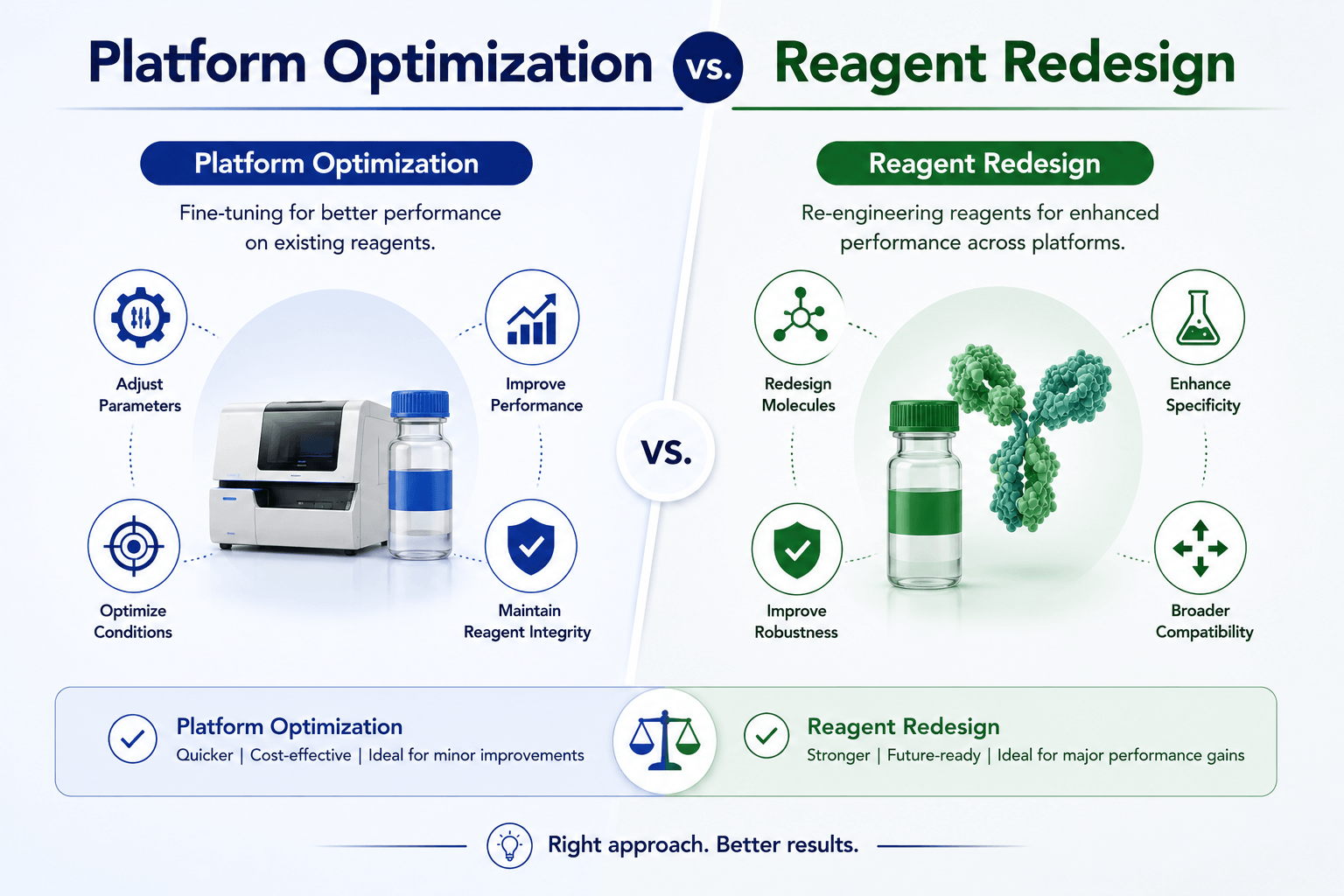
The critical distinction is that the core antigen-antibody interaction remains unchanged. A truly multiplatform-compatible reagent performs consistently without requiring a different antigen source or complete assay redevelopment.
If developers must replace or substantially modify the antigen for every analyzer, the original reagent cannot be considered platform independent.
Robust reagents allow developers to optimize assay protocols while preserving the same validated biological material across multiple systems, significantly reducing development effort and regulatory burden.
Case Study: Yashraj Biotechnology's Native Human CRP Antigen
A practical example of multiplatform compatibility can be seen in Yashraj Biotechnology Ltd.'s native human C-reactive protein (CRP) antigen, developed specifically for routine and high-sensitivity CRP immunoassays.
CRP is one of the most widely measured inflammatory biomarkers in clinical diagnostics. It plays an essential role in:
- Acute inflammation monitoring
- Infection assessment
- Autoimmune disease evaluation
- Cardiovascular risk stratification (hsCRP)
- Post-surgical monitoring
Because CRP testing is performed on virtually every major diagnostic analyzer worldwide, reagent consistency across platforms is particularly important.
YBL's native CRP antigen has been developed from human-origin material, preserving the protein's natural conformation, clinically relevant epitopes, and post-translational modifications. This biological authenticity enables reliable antibody recognition across multiple immunoassay technologies.
Designed for Both Routine and High-Sensitivity Applications
To meet diverse customer requirements, YBL offers its native CRP antigen in two purity grades.
High Pure Grade (>99% Purity)
Designed for:
- High-sensitivity CRP (hsCRP) assays
- Cardiovascular risk assessment
- Premium diagnostic platforms
- Applications requiring minimal background interference
The exceptionally high purity minimizes non-specific binding while maximizing analytical sensitivity.
Part Pure Grade
Developed as a cost-effective alternative for:
- Routine CRP testing
- High-volume clinical laboratories
- General inflammation assays
- OEM manufacturing requiring economical large-scale production
Despite its lower purification level, Part Pure CRP maintains excellent structural integrity and consistent antigenicity, ensuring dependable immunorecognition across multiple analyzer platforms.
Rigorous Manufacturing and Quality Control
Consistency across platforms begins with manufacturing consistency.
YBL applies stringent quality control throughout production, including:
- Standardized purification protocols
- Inline process monitoring
- Reference lot comparison
- Functional recovery testing
- Purity verification
- Endotoxin testing
Each production batch undergoes comprehensive analytical characterization using techniques such as:
- SDS-PAGE
- High-Performance Liquid Chromatography (HPLC)
- Spectroscopic profiling
- Functional immunoassays
These quality controls ensure that every lot closely matches the established reference standard, providing customers with reliable long-term assay performance.
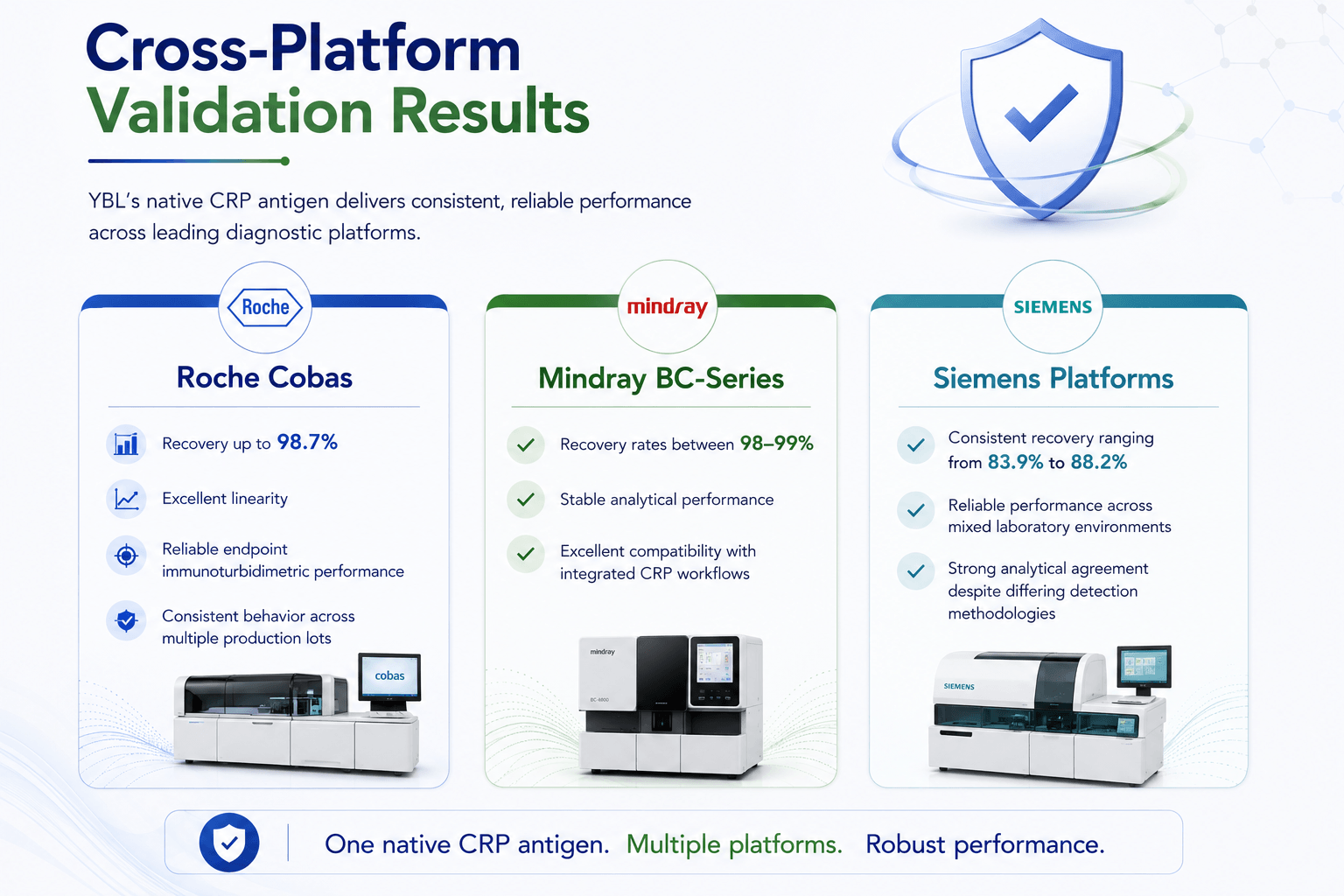
Cross-Platform Validation Results
To demonstrate multiplatform compatibility, YBL evaluated its native CRP antigen across several globally recognized diagnostic platforms.
Roche Cobas
Validation studies demonstrated:
- Recovery up to 98.7%
- Excellent linearity
- Reliable endpoint immunoturbidimetric performance
- Consistent behavior across multiple production lots
Mindray BC-Series
Despite differences in latex particle chemistry and optical detection systems, YBL's CRP antigen achieved:
- Recovery rates between 98–99%
- Stable analytical performance
- Excellent compatibility with integrated CRP workflows
Siemens Platforms
Validation on Siemens analyzers showed:
- Consistent recovery ranging from 83.9% to 88.2%
- Reliable performance across mixed laboratory environments
- Strong analytical agreement despite differing detection methodologies
Collectively, these studies demonstrate that a single native CRP antigen can support multiple analyzer platforms while maintaining robust analytical performance.
Long-Term Stability for Global OEM Supply
Beyond analytical performance, OEM manufacturers require biological materials capable of supporting long commercial product lifecycles.
YBL's native CRP antigen exhibits excellent long-term stability under recommended storage conditions, maintaining both functional activity and structural integrity throughout its shelf life.
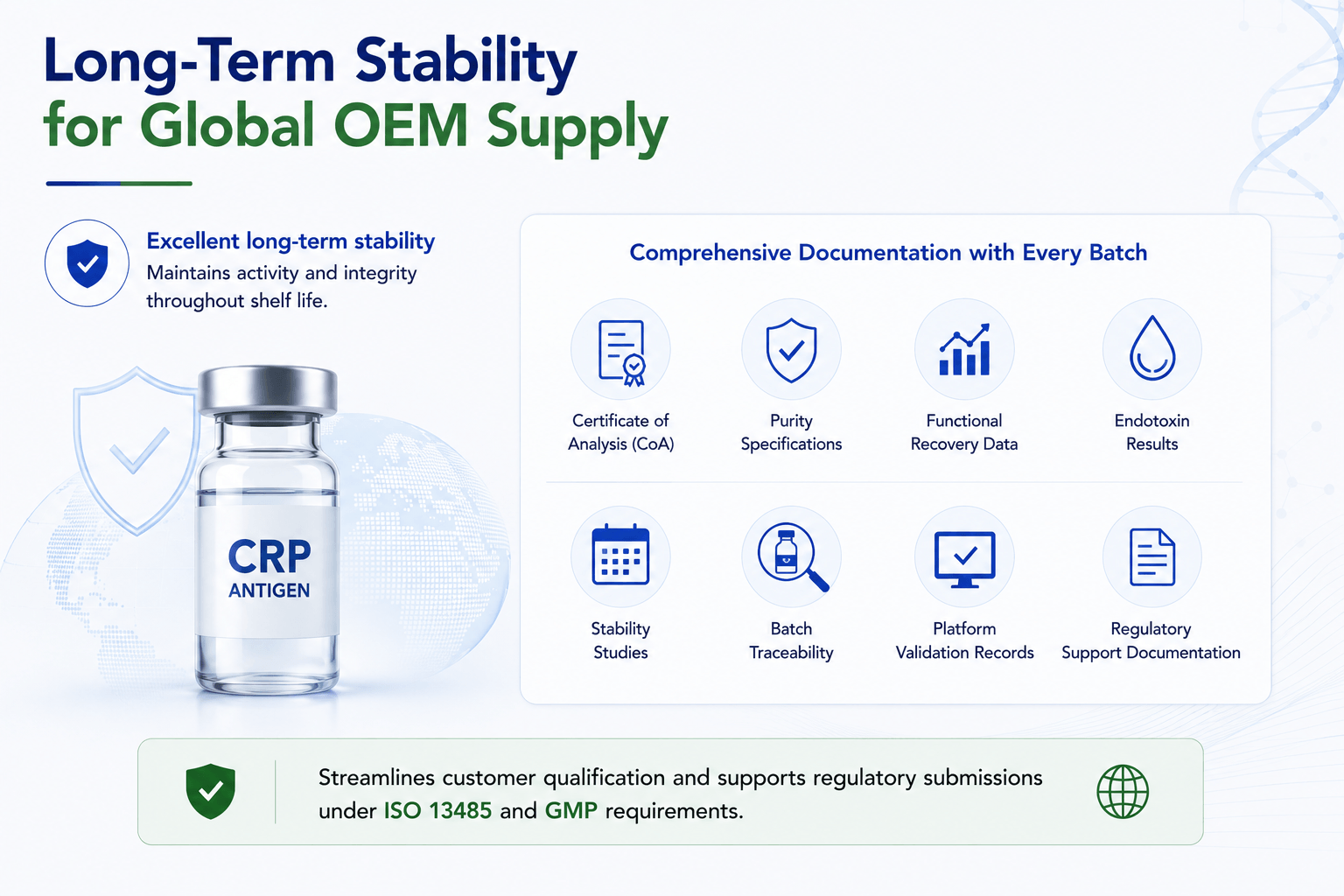
Each batch is supplied with comprehensive technical documentation, including:
- Certificate of Analysis (CoA)
- Purity specifications
- Functional recovery data
- Endotoxin results
- Stability studies
- Batch traceability
- Platform validation records
- Regulatory support documentation
This extensive documentation simplifies customer qualification processes and supports regulatory submissions under ISO 13485 quality management systems and Good Manufacturing Practice (GMP) requirements.
Strategic Benefits for IVD Manufacturers
Choosing multiplatform-compatible reagents provides advantages that extend well beyond laboratory performance.
Accelerated Global Market Access
A single validated antigen allows manufacturers to support multiple analyzer brands without maintaining separate biological inventories.
This reduces:
- Product development time
- Inventory complexity
- Warehousing requirements
- Regulatory documentation
Manufacturers can respond more quickly to regional market demands while maintaining consistent product quality.
Lower Development Costs
Reusing the same validated antigen across different assay platforms eliminates redundant qualification studies and minimizes redevelopment efforts.
Development teams can focus on optimizing assay protocols rather than identifying and validating new biological materials for each analyzer.
This leads to:
- Reduced R&D expenditure
- Faster commercialization
- Lower raw material qualification costs
- Improved manufacturing efficiency
Reduced Technical and Regulatory Risk
Consistent reagent performance minimizes the likelihood of:
- Calibration drift
- Lot-to-lot variability
- Unexpected matrix interference
- Customer complaints
- Platform-specific assay failures
Comprehensive validation data also strengthens regulatory submissions by providing clear evidence of analytical consistency across multiple diagnostic systems.
Competitive Product Differentiation
Manufacturers offering analyzer-agnostic assays gain an important competitive advantage.
Products supported by multiplatform-compatible reagents provide customers with greater flexibility, lower total ownership costs, and easier integration into laboratories operating mixed analyzer fleets.
For OEM partners, this flexibility represents a valuable selling point in increasingly competitive global markets.
Conclusion
As diagnostic laboratories become more diverse and globally interconnected, multiplatform compatibility has evolved from a desirable feature to a strategic necessity. Reagents that consistently perform across different analyzer platforms help manufacturers simplify development, accelerate commercialization, and ensure reliable patient results regardless of where or how an assay is performed.
Achieving this level of compatibility requires careful attention to antigen design, epitope stability, matrix robustness, physicochemical consistency, calibration traceability, and rigorous cross-platform validation. When these principles are combined with robust manufacturing controls, the result is a reagent that can support multiple assay formats without compromising analytical performance.
Yashraj Biotechnology Ltd.'s native human CRP antigen demonstrates this approach in practice. Through high-purity manufacturing, stringent quality control, and validated performance across Roche Cobas, Mindray, and Siemens platforms, YBL delivers a reagent that supports both routine and high-sensitivity CRP assays while reducing development complexity for OEM manufacturers.
As the future of diagnostics expands into decentralized testing, automated laboratory networks, and AI-enabled healthcare ecosystems, the value of one reagent with global reach will continue to grow. For IVD developers seeking scalable, reliable, and future-ready biological raw materials, multiplatform-compatible reagents are no longer just an operational advantage—they are a foundation for next-generation diagnostic innovation.

Subscribe to YBL Monthly Digital Newsletter
Stay connected with Yashraj Biotechnology Ltd. (YBL) for the latest updates, innovations, news and upcoming events.